Your Backyard Knows More Than Their Algorithm: Cashing In on Local Sports Knowledge Bookies Can't Buy
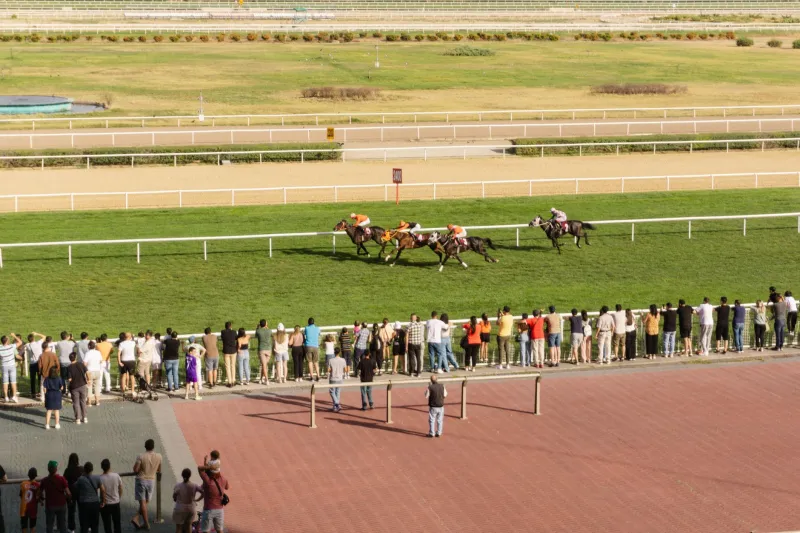
Somewhere in a server farm, a global pricing algorithm is calculating the probability of a horse winning a midweek race at Muswellbrook. It's pulling historical form data, trainer statistics, jockey records, and track ratings. It's doing this for hundreds of races simultaneously across multiple continents.
What it doesn't know is that the track crew at Muswellbrook spent Tuesday afternoon watering the inside rail because it was baking hard after three weeks without rain. It doesn't know that the local trainer who's been quietly preparing a particular galloper has been telling his mates at the saddling enclosure she's never worked better. And it certainly doesn't know that the favourite's regular jockey pulled out of the booking late on Monday and the replacement hasn't ridden this horse before.
You might know all of that. And that's the edge.
Why the Big Algorithms Have Big Blind Spots
The global betting markets are, in many ways, remarkably efficient. On major events — the Melbourne Cup, State of Origin, AFL Grand Final — the sheer volume of money and information flowing through those markets makes it nearly impossible for an individual punter to consistently find mispriced odds. The algorithms are fed too much data, and too many sharp eyes are watching.
But Australia is a big country with a lot of sport happening in a lot of places simultaneously. The same pricing engines that nail the Sydney Cup are stretched thin when they're also trying to accurately price a Country Championships qualifier at Scone, a NEAFL elimination final in Darwin, or a regional NRL trial match in Mackay.
At that level, the models lean heavily on historical data and broad statistical averages. They simply don't have the granular, real-time, hyperlocal information that a punter embedded in that community can access. The result? Markets that are softer, less efficient, and more exploitable.
Country Racing: The Most Underpriced Market in Australia
Talk to any serious Australian horse racing punter and they'll tell you the same thing: the best value isn't at Flemington or Randwick. It's at the country meetings that barely register on the radar of the major pricing teams.
This isn't a secret exactly, but it's consistently underappreciated. Country racing in Australia operates in a genuinely different information environment. Trainers talk to each other at the local café. Strappers know which horses worked well and which pulled up stiff. Track staff understand the quirks of their specific surface in ways that no data model can fully replicate.
A punter in Dubbo who regularly attends the Macquarie race meetings, knows the local trainers by name, and tracks the condition of the Dubbo track through the winter months is operating with an informational advantage that a Sydney-based algorithm simply cannot match.
The key is specificity. You don't need to know everything about country racing — you need to know a lot about your patch. Pick a circuit. Follow it obsessively. Build relationships with people who are close to the action. That's how local knowledge becomes a genuine edge rather than a vague feeling.
Regional Footy: Where State-Level Intel Pays Off
The same principle applies to the community football competitions that attract significant betting interest across Queensland, New South Wales, and Victoria. The XXXX Gold Cup, the Intrust Super Cup, the VFL — these competitions have dedicated markets on most major platforms, and those markets are priced by people who are not watching the Thursday night training sessions at Redcliffe or Williamstown.
A punter who follows the Intrust Super Cup closely and knows that a particular club has three key players returning from injury this week — information that appeared in a local paper's match preview but hasn't filtered through to the pricing team — has a legitimate edge. The odds might reflect last week's form. Your intel reflects this week's reality.
Player movement information is particularly valuable at this level. At the NRL, AFL, or Super Rugby level, injury and selection news is heavily reported and rapidly priced in. At the state and regional level, that information travels more slowly. A mid-week social media post from a club's official page, a local radio interview with the coach, or even a chat with someone who attended the open training session can put you ahead of the market by hours.
Weather and Ground Conditions: The Data Gap Nobody Talks About
One of the most consistently underexploited edges in Australian sports betting involves environmental conditions — specifically, how weather and ground conditions affect outcomes in ways that algorithms consistently underprice.
In cricket, the impact of a green, damp pitch on the first morning of a Sheffield Shield match can be enormous, and that information is often available to locals before it's reflected in the opening session betting markets. A punter who drives past the ground, checks the covers, and notices the pitch has been left exposed overnight has real information.
In horse racing, track conditions are published — but the nuance of how a specific track plays in specific conditions is something that takes years of observation to understand properly. Some tracks that are rated "Good 4" play like a Soft 5 for horses coming from the outside barrier. Some tracks that rate as Heavy 10 actually favour front-runners because the drainage on the rail is better than the official rating suggests.
This kind of granular, experiential knowledge is exactly what algorithms can't replicate — and exactly where patient, observant local punters can build a genuine, repeatable advantage.
How to Build Your Local Edge Systematically
The punters who turn hyperlocal knowledge into consistent profit aren't just lucky — they're systematic about it. Here's how they approach it:
Pick a lane and stay in it. Trying to be an expert in everything is a recipe for being an expert in nothing. Choose one or two regional markets — a specific country racing circuit, a state football competition, a regional cricket competition — and go deep.
Build a network. The best information doesn't come from websites. It comes from people who are close to the action. Attend events. Follow local journalists and commentators on social media. Pay attention to what coaches and trainers say in post-match interviews that doesn't make the national headlines.
Document your observations. Keep a record of what you notice and how it correlates with outcomes. Over time, you'll identify the specific factors that actually move the needle in your chosen market.
Check the price before you assume you have an edge. Sometimes the market has already priced in what you know. The edge only exists when your information is reflected in the odds — meaning the market hasn't caught up yet.
At BoomBet AU, we believe in backing yourself with knowledge, not just hope. The biggest opportunities for Aussie punters aren't in the marquee markets where every sharp eye in the world is watching. They're in your own backyard — if you know where to look.