When the Crowd Shows Up, the Value Clears Out: Timing the Big Event Betting Calendar
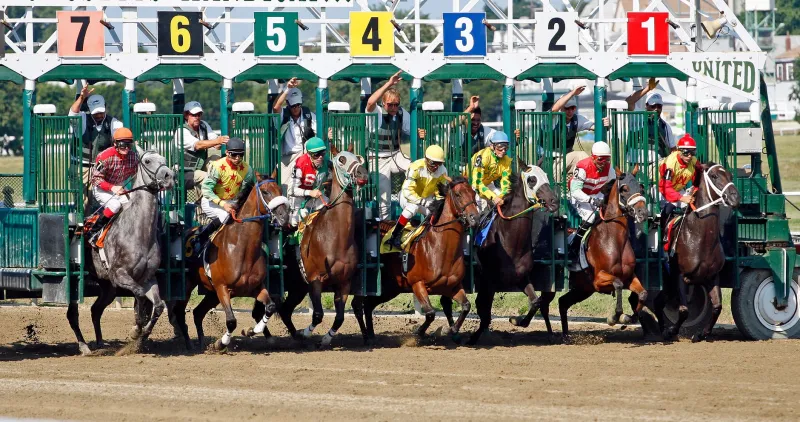
There's a moment, somewhere around two weeks before the Melbourne Cup, when the betting markets quietly shift. Not dramatically. Not with flashing lights. Just a slow, almost imperceptible drift — odds tightening, margins widening, and the bookies collectively exhaling because they know what's coming.
The crowd is on its way.
For the punter who bets year-round, this is both a warning sign and an opportunity. Because understanding when the casual money hits — and how it reshapes markets — is one of the most underrated skills in Australian sports betting.
The Invisible Flood: What Casual Money Actually Does to Markets
Major calendar events in Australian sport — the Cup, State of Origin finals, the Australian Open, an Ashes series — share one defining characteristic: they attract enormous volumes of recreational bettors who don't engage with markets outside of these moments.
These punters aren't analysing form. They're not tracking line movements. They're backing the horse with a funny name, the footy team they barrack for, or the tennis player their mate reckons is a cert. And when millions of dollars move based on sentiment rather than information, the odds stop reflecting genuine probability.
Bookmakers know this. They're not passive participants — they actively prepare for it. Margins get quietly padded in the weeks leading into blockbuster events. The headline odds look competitive because they have to; punters comparison-shop more during marquee events than at any other time. But the secondary markets, the place bets, the exotic combinations — those get squeezed hard.
The result? The very events that generate the most buzz are often the worst time to be placing bets if you care about value.
The Melbourne Cup Window: A Case Study in Market Timing
Let's use the race that stops a nation as a concrete example, because it illustrates the pattern better than anything else on the Australian calendar.
In the six to eight weeks before the Cup, serious form analysts and professional syndicates are already positioning. The field is known, early markets are live, and the bookies haven't yet started inflating margins in anticipation of the recreational rush. This is the window where value genuinely exists — odds on genuine contenders that reflect informed assessment rather than public sentiment.
By the final week before the race? The casual money has arrived in force. Certain horses — often those with media coverage, celebrity endorsements, or simply a trainer or jockey the public recognises — get backed into prices that no longer represent their actual winning probability. Meanwhile, equally credentialed runners drift out because nobody's talking about them at the office barbecue.
The sharp move is to get in early, before the crowd distorts the market. Not recklessly early — you still need the field declared and legitimate form to assess — but well ahead of the public wave.
State of Origin Finals: When Tribal Loyalty Destroys the Line
State of Origin is perhaps the most emotionally charged betting market in Australian sport, and that emotion is the punter's enemy.
When Queensland and NSW meet in a series decider, the volume of bets placed by people whose primary qualification is where they grew up is staggering. NSW punters back the Blues because they're NSW punters. Queenslanders back the Maroons because, well, that's just what you do.
This tribal loyalty creates genuine distortions. The favoured team in public sentiment — which often correlates with the larger population base of NSW — gets backed regardless of form, squad health, or venue advantage. The line moves accordingly, and suddenly the actual football analysis suggests the other side of the bet is where the value sits.
Sharp bettors look at Origin finals differently. They strip out the emotion entirely and ask: what does the form say, what does the injury report say, and what does the current line say relative to those factors? If the public has pushed a team to odds that don't reflect their genuine probability of winning, that's a market inefficiency — and inefficiencies exist to be exploited.
The Australian Open and the Tennis Tourist Problem
The Australian Open brings a slightly different dynamic. Tennis betting attracts a global audience, which means the casual money flooding in isn't just local — it's international.
During the Open, markets on marquee players tighten dramatically. Djokovic, Swiatek, whoever's carrying the media narrative that fortnight — their odds get compressed to the point where there's almost no value left on the favourite side. The bookies are taking enormous volume on these players and have no incentive to offer generous prices.
But here's where it gets interesting: the same casual money that floods the big names creates relative value on their opponents. Not necessarily because those opponents are likely to win — they often aren't — but because the odds on them are sometimes more generous than genuine probability warrants, simply because the public isn't betting on them.
The other angle at Grand Slams is the earlier rounds. Round one and two markets during major tournaments are notoriously soft for bookmakers because they simply can't model every match with the same depth they apply to the finals week. That's a window worth knowing about.
The Ashes Cycle: Patience as a Strategy
The Ashes moves on a different rhythm — a series rather than a single event — which creates a different kind of opportunity. The public narrative shifts wildly between Tests based on whichever team just won, and bookmakers respond to that sentiment.
After England wins a Test convincingly, the public piles onto them for the next match. Odds on Australia shorten from their actual probability as the bookies balance their books against the sentiment wave. A punter who's been watching the series closely, who understands that one dominant Test performance doesn't necessarily reflect the underlying quality gap, can find real value on the side the public has temporarily abandoned.
This pattern repeats itself throughout every multi-match series in Australian sport. The NRL finals series, the BBL, Sheffield Shield cricket — anywhere the narrative swings sharply after a single result, the market temporarily misprices the next event.
How to Position Ahead of the Rush
The practical takeaway from all of this isn't complicated, but it does require discipline.
Get in early on events with long lead times. If you've done your homework on a major event weeks out, don't wait for the public conversation to start. The odds available now are almost certainly better than what you'll see closer to the event.
Look away from the headline markets. During major events, bookmakers protect themselves hardest on the markets that attract the most casual volume. Dig into the secondary and tertiary markets where the pricing is less scrutinised.
Follow the sentiment, then bet against it. When you see a story driving public money in one direction, ask whether the actual evidence supports that move. Often it doesn't — and that gap is where the value lives.
Understand the margin expansion cycle. Bookmaker margins aren't static. They expand ahead of high-volume events and compress in quieter markets. Knowing where you are in that cycle tells you a lot about whether the current price is worth taking.
The big events on the Australian betting calendar aren't the enemy. They're actually some of the best opportunities of the year — just not in the way most punters approach them. While the crowd is chasing the noise, the smart money is already positioned, waiting for the wave to break.
At BoomBet AU, we reckon the edge isn't always in finding the best bet. Sometimes it's in knowing exactly when to place it.