Five Seconds of Free Money: How Sharp Punters Exploit the Live Odds Lag Before Bookies Catch Up

Imagine watching a penalty get awarded in a football match. You can see it clear as day on your screen. The crowd erupts. The commentator's already mid-sentence. And yet — for just a heartbeat — the bookmaker's live market still has the pre-penalty odds sitting there, untouched.
That gap? That's not a glitch. That's an opportunity.
In-play betting has exploded in Australia over the last decade, and with it has come one of the most underappreciated edges in the entire wagering game: the scoreboard delay. It's not glamorous. It doesn't require a PhD in statistics. But understanding it — really understanding it — is the difference between punting like a casual and thinking like a professional.
What Is the Odds Lag, Exactly?
Every live betting market runs on data. Bookmakers use automated pricing engines that react to incoming match data — goals, wickets, penalties, momentum shifts — and reprice odds accordingly. The problem is that data doesn't teleport.
Between the moment something happens on the field and the moment your bookie's system registers it, processes it, and pushes updated odds to your screen, there's a delay. Depending on the sport, the broadcaster, and the bookmaker's infrastructure, that window typically sits somewhere between 5 and 20 seconds.
For most punters watching the same delayed TV broadcast as everyone else, this is irrelevant. But for punters with a faster information source — a stadium feed, a dedicated data subscription, even a mate at the ground sending a text — those seconds are worth real money.
Why Some Markets Are More Vulnerable Than Others
Not all live markets are created equal when it comes to lag exploitation. Some are practically immune; others are practically begging to be taken advantage of.
Next Scorer / Next Team to Score markets are particularly juicy. The moment a goal goes in, these markets should instantly flip — but there's often a window where the 'next scorer' odds haven't yet reflected the fact that the score just changed. Same goes for 'anytime scorer' props where the pricing engine hasn't caught up to what just happened.
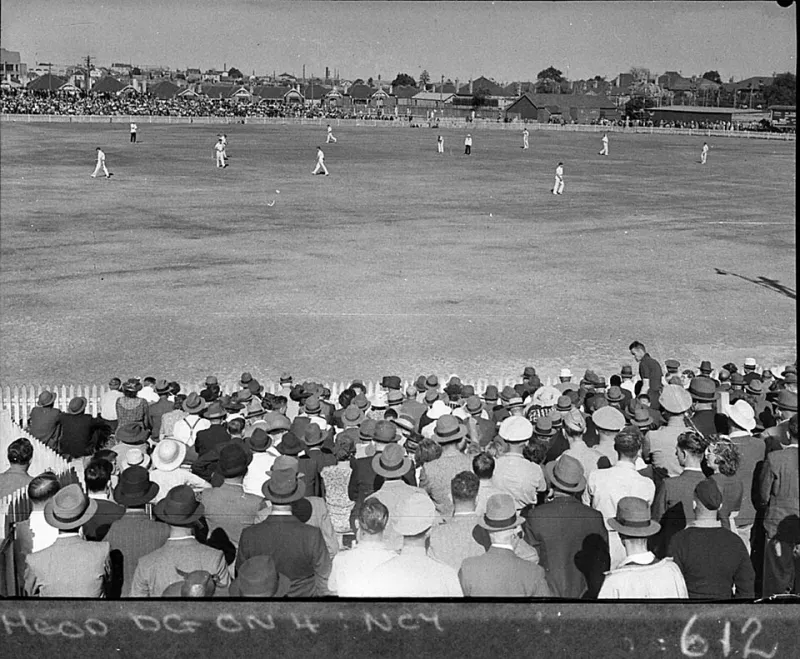
Match result markets in cricket are another favourite hunting ground. A wicket falls, and for a brief moment the run chase odds are still priced as though that batter is still at the crease. Anyone watching a ground-level stream rather than a broadcast delay has a legitimate edge.
Live totals in basketball and AFL also show vulnerability during high-scoring bursts. When four points go up in quick succession, the total market can lag behind reality, especially during fast transitions.
Conversely, markets like futures, head-to-heads before a game, and anything settled post-match are essentially immune to this dynamic. The lag game is strictly an in-play discipline.
The Information Hierarchy
To exploit the delay, you need to be faster than the bookmaker's data feed. Here's how that hierarchy typically breaks down:
Fastest: Being at the venue. No lag whatsoever — you see it live, in person, before any broadcast or data service picks it up.
Fast: Official data subscription services that pipe match data directly from on-field sensors or official scorers. Used primarily by professional syndicates.
Moderate: Streaming services with minimal compression delays — some dedicated sports streaming platforms run significantly ahead of standard broadcast.
Slow: Free-to-air TV and most paid broadcast services. These typically introduce 5–15 seconds of delay through satellite encoding and broadcast processing.
Slowest: Watching highlights or checking a score app. By the time you see it there, the market has already moved.
Most everyday Aussie punters are operating at the 'moderate to slow' end of this scale, which means they're betting into markets that already know more than they do. Closing that gap — even partially — shifts the dynamic in your favour.
What the Bookies Are Doing About It
Let's be straight here: bookmakers aren't sitting still. They know this game exists, and they've built countermeasures.
The most common response is the suspension window — automatically locking markets for a few seconds whenever a significant event is detected. You've seen this if you've ever tried to bet in-play and copped the 'market suspended' message right as something was happening. That's not a coincidence.
Bookies also use bet delay systems, particularly on larger stakes. When you place an in-play bet, there can be a 3–5 second processing pause built in before it's accepted — enough time for the odds engine to catch up and potentially void the bet if the market has moved significantly.
Some platforms have also started flagging accounts that consistently bet in the lag window, restricting their access to in-play markets or limiting bet sizes. It's not illegal, but it's a reminder that doing this too aggressively and too obviously puts a target on your back.
Practical Takeaways for the Average Punter
You don't need to build a data pipeline or hire a statistician to benefit from understanding this concept. Here are some grounded ways to apply it:
Upgrade your stream. If you're betting in-play, the broadcast you're watching matters. Compare your stream's lag against a live score tracker — if you're consistently behind, you're consistently behind the market.
Focus on sports you can watch in person. Local footy, cricket at the SCG or MCG, even mid-tier NRL games — being in the stands gives you genuine first-mover advantage on live markets.
Target market transitions. The moment right after a significant event — a try, a wicket, a red card — is when lag tends to be most pronounced. That's when the odds engine is working hardest to catch up.
Size your bets appropriately. Betting big in the lag window is a quick way to get flagged. Consistent, moderate-sized plays over time tend to attract less attention and deliver more sustainable results.
Be patient. The lag doesn't exist on every event or every market. Learning to identify when conditions are ripe — fast-moving match, less sophisticated bookmaker platform, sport with high data latency — is itself a skill worth developing.
The Bigger Picture
The scoreboard delay isn't a loophole that's going to disappear tomorrow, but it's also not a permanent free pass. As bookmaker technology improves and data feeds get faster, the window will narrow. Some of the larger platforms already run remarkably tight operations.
But for now, across a wide range of sports and markets, there's a genuine, exploitable inefficiency sitting between live action and live odds. Knowing it exists is the first step. Building your setup around it — faster information, smarter market selection, disciplined sizing — is how you actually cash in.
At BoomBet AU, we're all about finding where the value actually lives in Australian sports betting. And right now, a chunk of it is hiding in those five quiet seconds between the roar of the crowd and the odds catching up. Don't leave it on the table.