Where Bookies Blink: Cashing In on Australia's Forgotten Betting Markets
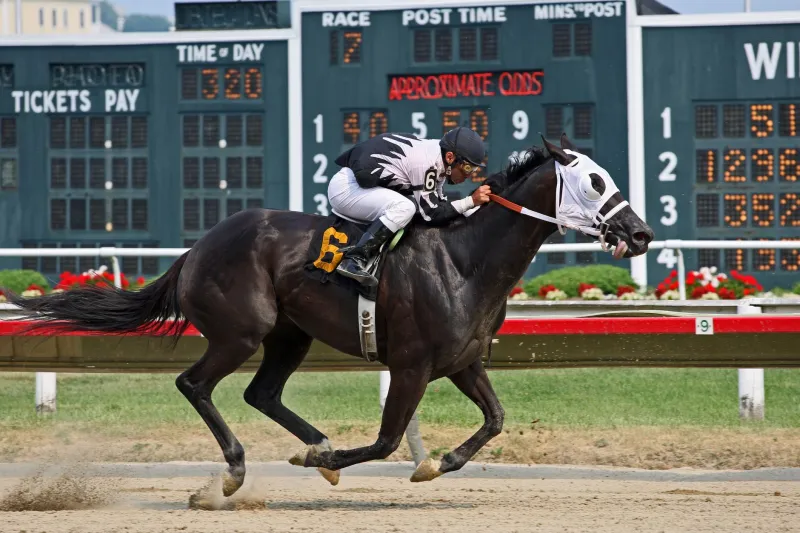
Every punter knows the feeling. You've done your homework, you like your pick, you jump on — and the odds are already a shade shorter than they should be. The market's efficient. The sharp money got there first. Welcome to the main event, where every bookmaker in the country has their best analysts trained on the same game, the same teams, the same outcomes.
But wander a little further down the betting menu? That's a different story entirely.
Niche markets — the kind that sit three clicks deep in a bookmaker's interface — are where pricing discipline starts to break down. Bookies are stretched. Their traders can't apply the same rigour to a "first wicket to fall in overs 1–6" market as they do to the match winner. And that gap between careful pricing and rushed pricing? That's where punters who do their homework get paid.
Why Niche Markets Get Mispriced in the First Place
It comes down to resources. Australian bookmakers dedicate serious analytical horsepower to head-to-head markets, premiership futures, and anything that attracts significant betting volume. These are the markets where being even slightly off can cost them real money, fast.
Niche markets don't carry that same urgency. They attract lower turnover, so the exposure is manageable. That means less time spent on pricing, less frequent updates, and more reliance on statistical models that may not account for the specific context of a given match. When a bookie's model spits out a price for "total boundaries in the first powerplay" and nobody's challenging it with sharp money, that price can sit there — wrong — for a long time.
Add to that the fact that Australian sport is genuinely complex. AFL quarter outcomes depend on momentum swings that are notoriously hard to model. Cricket props are sensitive to pitch conditions, wind direction, and individual form that a generic model can miss. Horse racing derivative markets — like whether the favourite will lead at the first turn — require track-specific knowledge that not every trader carries.
The result? Markets that are soft, slow to move, and occasionally very generous.
Cricket Props: The Ground Conditions Advantage
Local cricket is a brilliant hunting ground for niche value, particularly in formats like the Sheffield Shield and even domestic T20 competitions where the public interest is lower and the pricing is thinner.
Consider something like "top first-innings run scorer" or "number of wides in the first ten overs." These markets are heavily influenced by pitch behaviour, weather, and the specific tendencies of the bowlers on the day. A fast, bouncy Gabba surface plays very differently to a slow, turning SCG deck — and yet the generic model pricing these markets may not fully account for the conditions on a given morning.
If you've been watching Shield cricket closely, you'll notice patterns. Some seamers rack up wides when the pitch offers lateral movement and they start searching for the edge. Some batters absolutely feast on certain ground dimensions. This is the kind of granular knowledge that a well-resourced punter can actually have — and that a bookie's model may not.
The key is acting before these markets get attention. Once a market attracts volume, the price firms up or gets pulled. Your window is often narrow.
AFL Quarter Markets: Where Momentum Is Mispriced
AFL quarter-by-quarter betting is one of the most underexplored markets in Australian sport. Books will typically offer "winning margin by quarter" or "team to lead at quarter time," but the real depth is in how these markets interact with team structures and game states.
Here's an example worth thinking about. Some AFL teams are notoriously slow starters — they get overrun in the first quarter and then dominate the rest of the game. Bookmakers price first-quarter markets using overall team quality as a major input, but the quarter-specific tendencies of certain clubs are often underweighted. A team that's won eight of its last ten games by big margins might still lose the first quarter more often than the market implies, simply because of how they warm into contests.
Similarly, certain match-ups tend to produce low-scoring third quarters — particularly when both teams are playing a heavily defensive brand of football that's designed to shut down transitions. If you're watching the game tape and noticing these patterns, you're working with information that a generic pricing model may not fully capture.
Third-quarter "under" markets in particular can be a sleeper. Check the historical quarter-by-quarter scores for specific team match-ups. The patterns are there.
Horse Racing Derivatives: Beyond the Win Market
Australian horse racing is the most mature betting market in the country, which means the win and place markets are almost always tightly priced. But the derivative markets — the ones built around specific race events rather than the outright result — are a different matter.
Markets like "leader at the first turn," "widest barrier winner," or "jockey to ride the most winners on the day" attract far less attention and are often priced by bookmakers using relatively simple heuristics. A horse drawn wide at Flemington on a day when the track is heavy and the rail is out might have genuine first-turn leader value that isn't properly reflected in the market, especially if that horse has shown strong barrier speed in similar conditions.
The trap with horse racing derivatives is over-complicating things. The best approach is usually to identify one specific edge — say, a trainer who consistently leads from wide barriers in wet conditions — and look for spots where that tendency isn't priced in. Specificity beats breadth every time.
How to Identify a Soft Market Before It Tightens
There are a few reliable signals that a niche market is worth exploring:
Low liquidity, slow movement. If the odds on a prop market haven't moved in 24 hours, it's a sign that not much sharp money has engaged with it. That's either because there's no value — or because nobody's looked hard enough yet.
Generic pricing across different bookmakers. When two or three bookmakers are offering near-identical odds on a niche market, it often means they're all drawing from the same model or data source. That's a sign the market is priced by formula rather than genuine analysis.
Context-heavy outcomes. Any market where the result is heavily influenced by specific, observable conditions — weather, pitch, individual form, ground dimensions — is more likely to be mispriced than a market based on clean statistical averages.
Obscurity without complexity. Some niche markets sound complicated but are actually quite predictable once you understand the underlying dynamics. These are the sweet spots.
The Window Closes Fast
One thing to keep in mind: niche markets don't stay soft forever. Once a market type starts attracting sharp money consistently, bookmakers notice. They tighten the margins, apply more analytical resources, and sometimes pull the market entirely if the exposure gets uncomfortable.
The punters who benefit most from niche markets are the ones who do the work early and act decisively. Sitting on a niche edge waiting for the perfect moment is a good way to watch the odds shorten while you deliberate.
At BoomBet AU, the approach is pretty simple: big odds come from doing what other punters aren't doing. The main markets are crowded. The niche markets are where the pricing gets sloppy and the opportunity gets real. Find your edge, know your sport, and get on before the rest of the room figures it out.